For EPC contractors and developers, choosing between tower crane rental and purchase is no longer just a financial decision. It directly impacts project timelines, capital allocation, operational flexibility, and long-term profitability.
In today’s construction environment, especially across high-rise projects in cities like Mumbai, Pune, NCR, and Bengaluru, the wrong decision can lead to underutilized assets, project delays, or unnecessary cost burdens.
The real question is not:
It is:
On recent high-rise developments in Mumbai and Pune, contractors increasingly prefer hybrid crane strategies to balance cost and flexibility.
This guide breaks down tower crane rental vs purchase decisions using real-world project scenarios, helping EPC teams make informed, strategic choices.
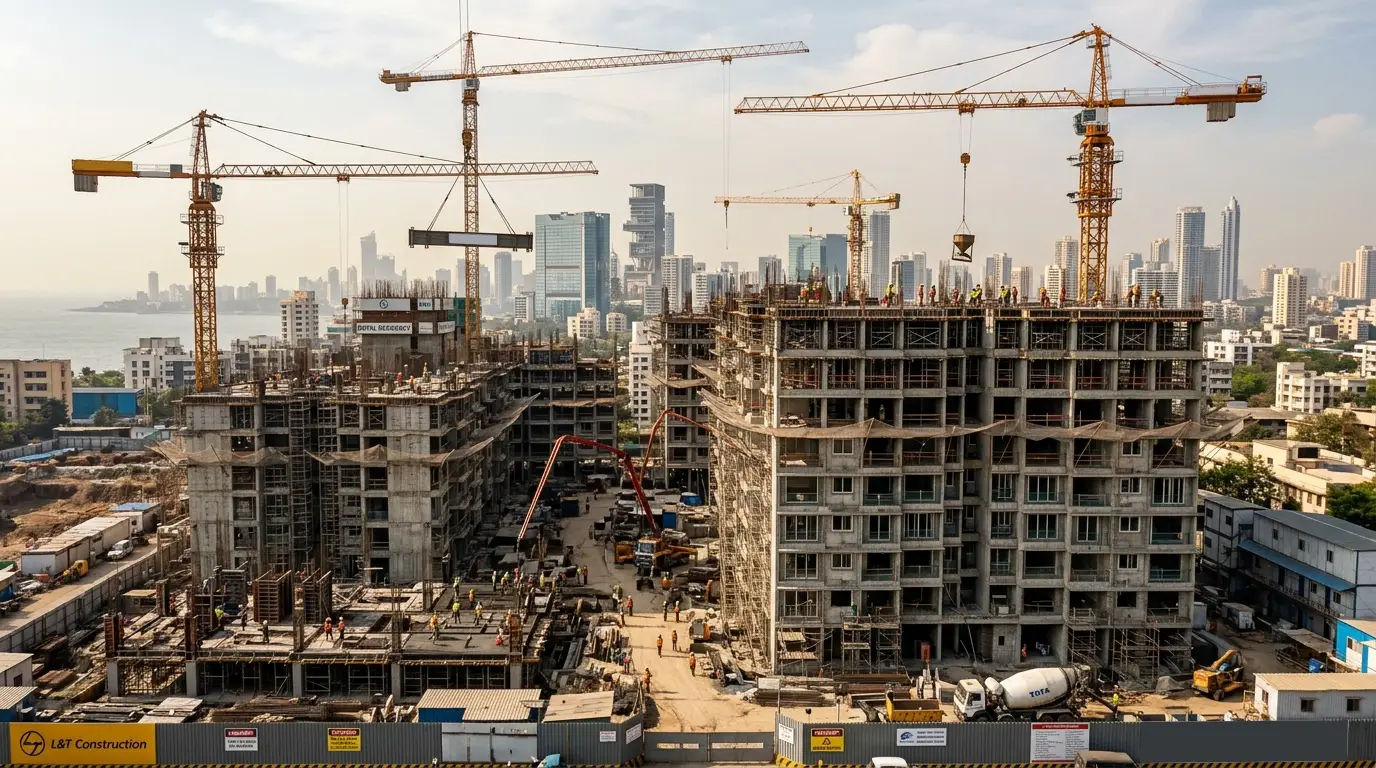
In earlier construction cycles, crane decisions were often made based on availability and upfront cost.
Today, EPC teams evaluate:
On multiple high-rise projects, contractors who purchased cranes without pipeline visibility often faced idle equipment costs post-project completion, while others relying purely on rentals experienced availability challenges during peak construction cycles.
This shift has made crane selection a strategic planning decision, not just procurement.
Buying a tower crane is typically preferred when:
Many large EPC firms invest in dedicated tower crane assets to maintain control over operations and reduce long-term dependency on rental availability.
For projects requiring consistent high-rise lifting, contractors often explore tower crane solutions for high-rise construction projects options early in the planning phase to align crane specifications with project design.
Tower crane rental is commonly preferred when:
Rental models provide flexibility, especially for contractors managing multiple smaller or overlapping projects.
In such cases, evaluating tower crane rental solutions for short-term project needs helps align crane deployment with project timelines without locking capital into fixed assets.
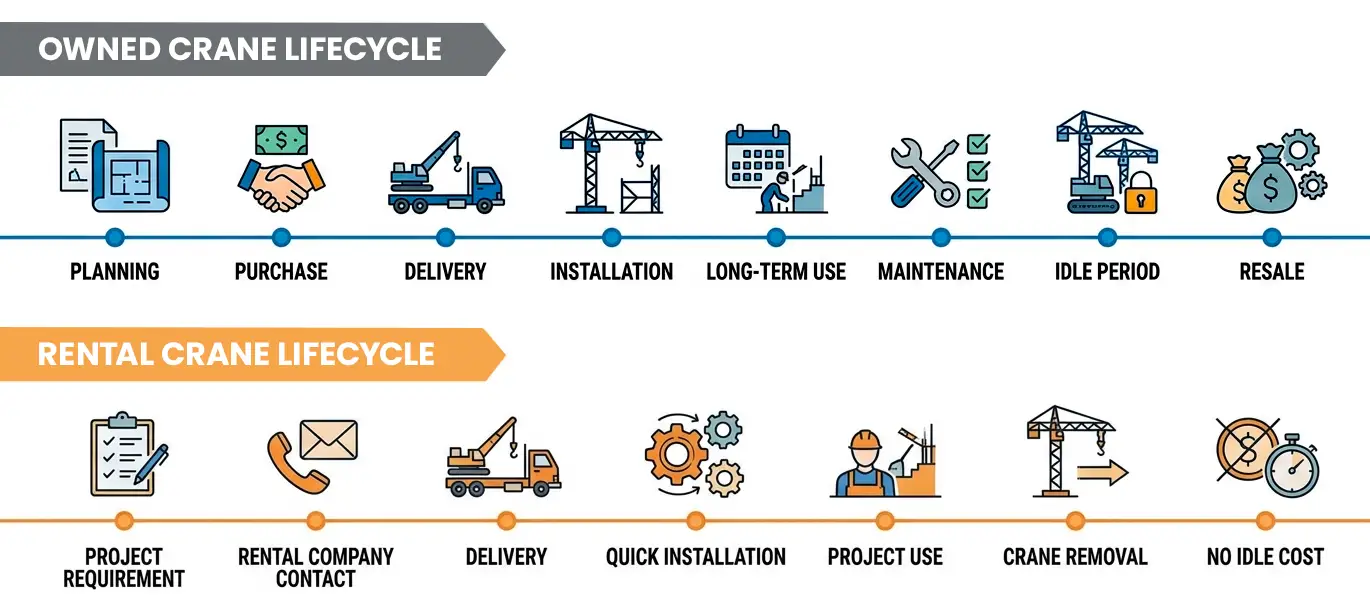
Purchasing a crane requires high upfront investment, but spreads cost over multiple projects.
Rental converts this into an operational expense, allowing contractors to preserve working capital.
Insight:
Purchased cranes must be utilized consistently to justify investment.
Idle cranes create hidden costs , including:.
Rental ensures you only pay for active usage.
Rental offers:
Purchase limits flexibility unless you have a steady project pipeline.
Purchased cranes require:
Rental typically includes service support, reducing operational burden.
During peak construction cycles (common in metro cities), rental cranes may face availability constraints.
Contractors with owned equipment avoid this dependency.
On a 30+ floor residential project in Mumbai:
In contrast, another EPC firm working on back-to-back projects in Pune invested in owned tower cranes, achieving:
These examples highlight that the right decision depends on project continuity, not just cost.
Choose rental when:
Rental is especially effective for:
Purchase is ideal when:
Contractors planning long-term growth often evaluate tower crane investment as a strategic asset by exploring tower crane solutions for long-term project execution
Different construction types influence the decision:
Typically favor purchase due to long duration and continuous lifting demand
Mixed approach depending on timeline
Often prefer rental due to mobility requirements
To better understand how crane selection aligns with project design, many teams also refer to planning insights like how EPC contractors choose the right crane setup to evaluate lifting strategy early.
While exact costs vary, decision-making should consider:
A project running beyond expected timelines often makes rental more expensive than ownership.
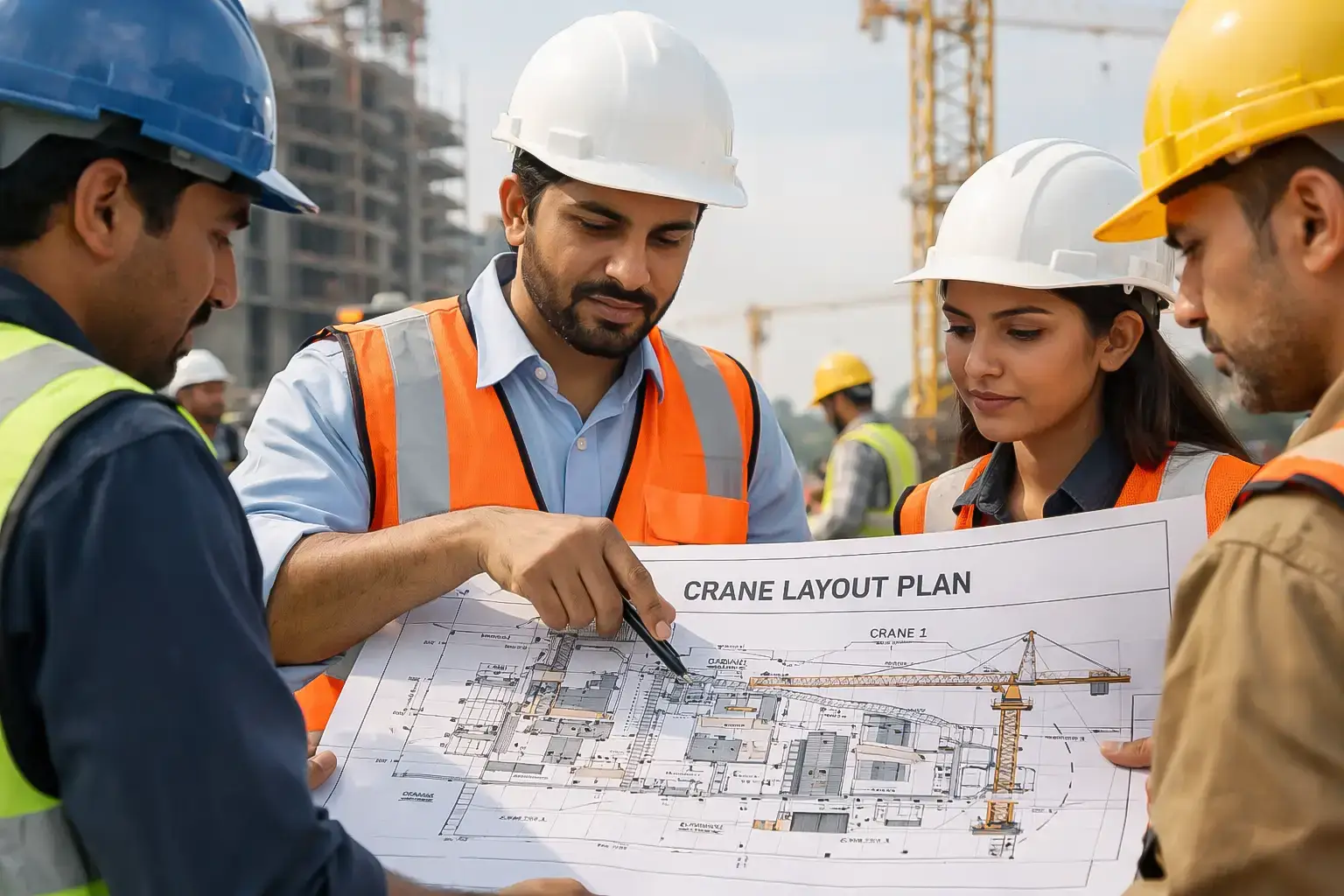
Before finalizing, evaluate:
Also consider comparing equipment types in advance through guides like tower crane vs mobile crane comparison for project planning to ensure the selected crane type itself is correct.
Many EPC companies now follow a hybrid model:
This approach balances:
Common overlooked factors include:
Ignoring these can distort the true cost comparison between rental and purchase.
The decision between tower crane rental and purchase depends on project lifecycle, financial strategy, and long-term business goals.
Rental offers flexibility and lower upfront cost, while purchase provides control, consistency, and long-term savings for high-utilization scenarios.
Contractors who align crane strategy with project planning consistently achieve:
Evaluate the right lifting strategy early by exploring both tower crane rental solutions for short-term project needs and tower crane for sale for long-term project execution to optimize cost, efficiency, and timelines.