In India's building industry, with skyscrapers and crowded city sites the norm, safe lifting operations are no longer a choice; it's a legal and operational imperative. At the center of this initiative is the crane overload limiter, an essential safety device that avoids unsafe load conditions and expensive downtime.
Overload limiters for cranes which are often built into Safe Load Indicators (SLIs) are designed to shut down operations if loads are beyond the rated capacity of the crane. Not only do they help save the crane and operator, but they also enhance jobsite productivity and compliance.
In this guide, we’ll explore everything you need to know about crane overload limiters in the Indian context from how they work, to how they’re installed and calibrated, and the long-term ROI they deliver.
A Crane Overload Limiter (COL) is an electronic or mechanical sensor that senses when a crane is lifting above rated capacity and sends an alert or shuts down the system to avoid structural overload or accidents.
In contemporary applications, this feature is integrated in Safe Load Indicator (SLI) systems, which check the actual lifting conditions in real time and give visual + audio signals. These are typically mandatory on tower cranes, mobile cranes, and passenger hoists at building construction sites in India.

Key Elements:
Construction in India is evolving rapidly, projects are taller, sites are tighter, and crane operations are more complex. Without a reliable overload protection system, the risk of:
Indian BIS standards and DGMS safety codes strongly recommend and often require the use of overload limiters and SLI systems for cranes over a certain capacity.
Installation of a crane overload limiter (or SLI system) depends on the crane type, but generally follows these steps:
Choose a load limiter compatible with the crane’s make, model, and load chart. Orange Machine Tech supplies SLIs calibrated for tower cranes, derrick cranes, ACD-compatible systems, and passenger hoists.
The display unit is mounted inside the operator’s cabin, providing load, radius, and angle data in real-time.
Many systems can halt crane motion or trigger alarms when overload is detected.
The unit is wired to crane power and data lines with redundancy for fail-safes.
The finest limiter is of no value if it is not properly calibrated. Calibration guarantees the device operates in synchronicity with the crane's true load behavior, without initiating false alarms or failing to detect overloads.
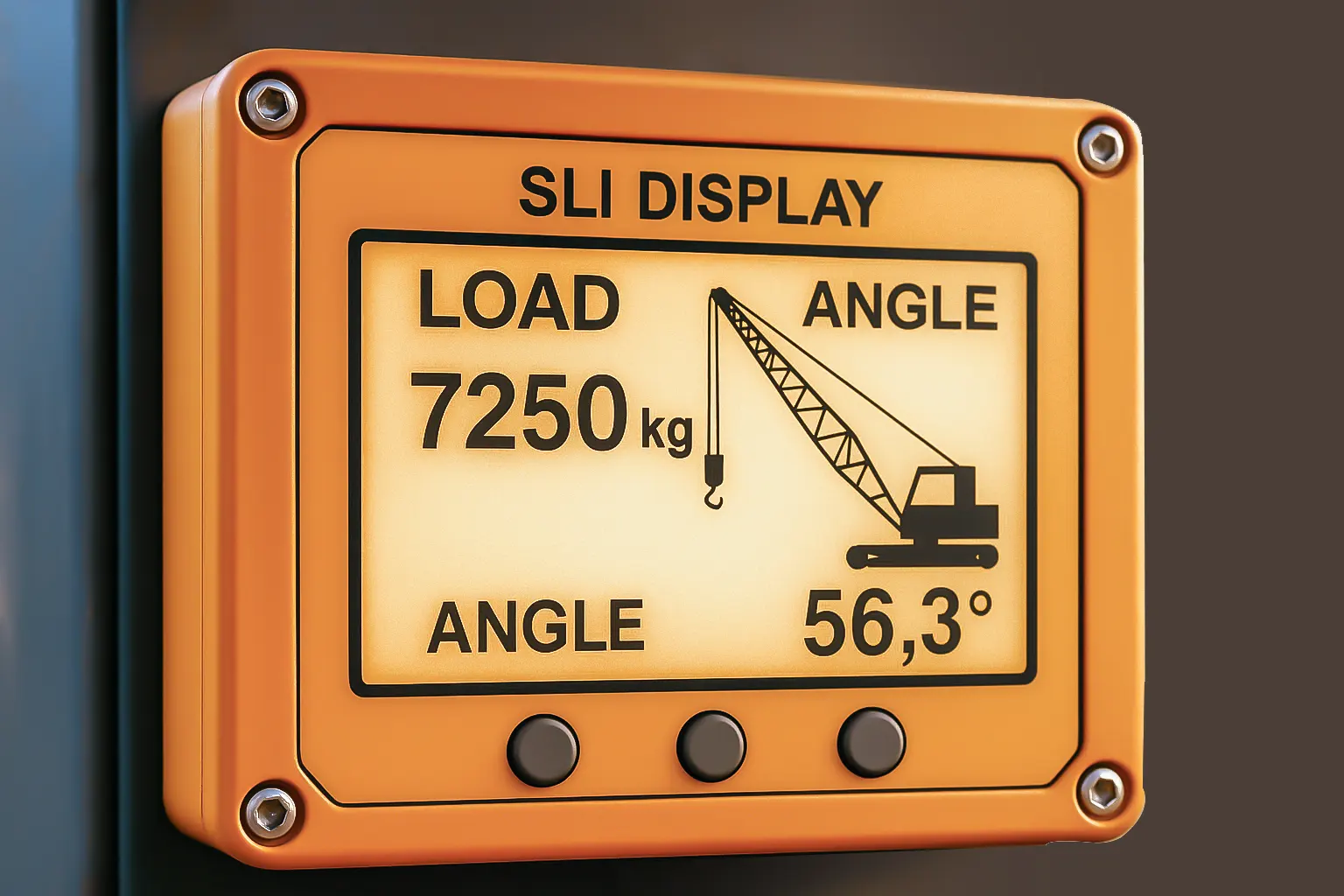
Orange Machine Tech provides professional on-site calibration services for all major crane types.
By actively preventing unsafe lifts, overload limiters reduce crane tipping, boom collapse, and catastrophic failures.
Adheres to Indian regulatory standards including:
Alarms prevent misuse before mechanical stress causes real damage, avoiding breakdowns and project delays.
Modern SLI displays make load limits visible, reducing mental fatigue and improving lift planning.
Though they add upfront cost, SLIs and overload limiters pay off by reducing accidents, insurance premiums, and rework.
Crane Type |
Recommended System |
Notes |
|---|---|---|
| Tower Cranes | SLI with overload limiter | Required on most commercial projects |
| Derrick Cranes | SLI or overload-only device | Used on rooftops; compact systems needed |
| Passenger Hoists | Load limiter + ACD integration | Ensures both load and collision safety |
| Mobile Cranes | SLI with wireless sensors | Calibration must match hydraulic pressures |
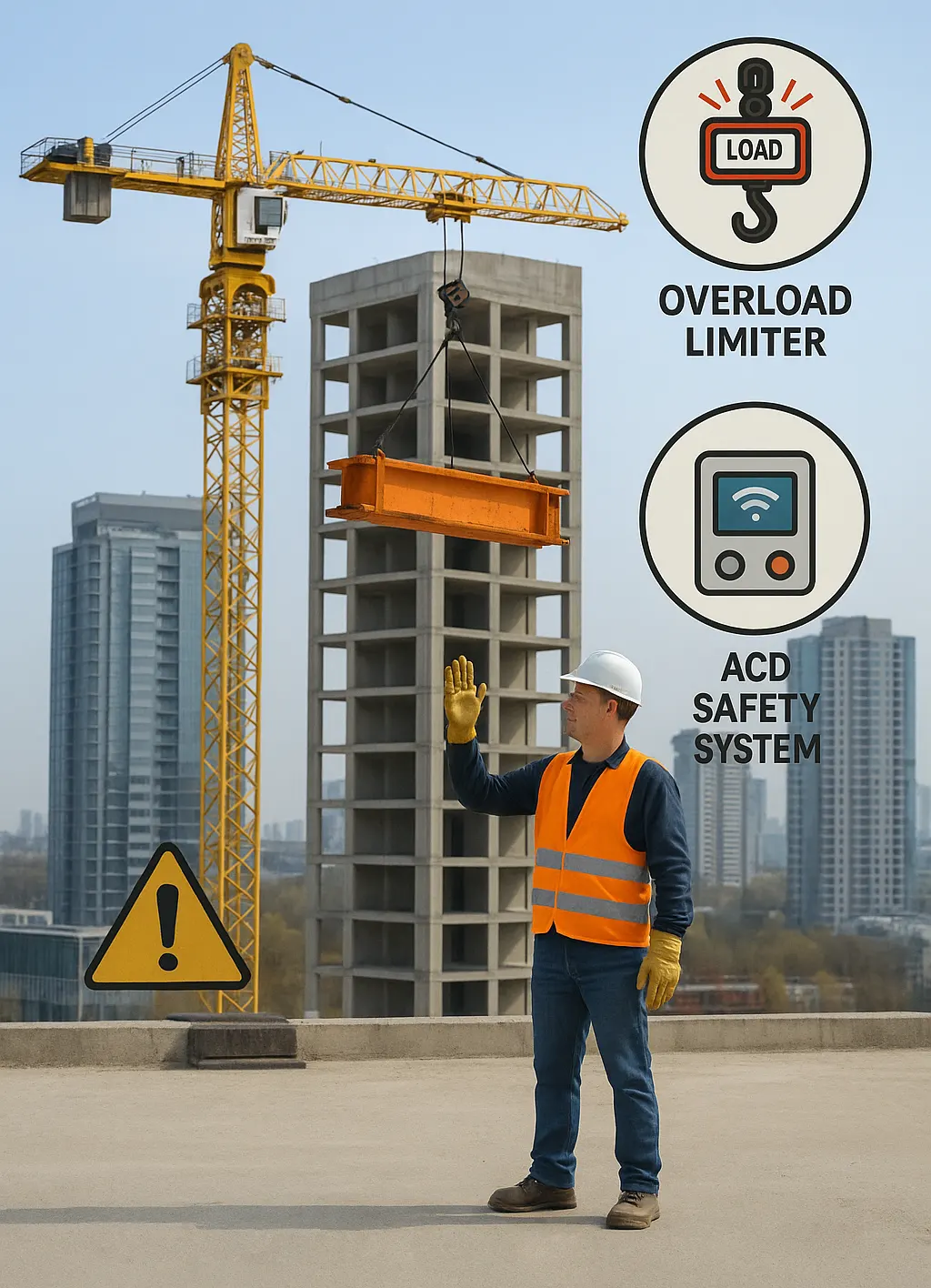
Feature |
Overload Limiter |
SLI |
Anti-Collision Device (ACD) |
|---|---|---|---|
| Monitor load? | |||
| Displays real-time data? | |||
| Shuts off crane operation | |||
| Detects nearby cranes/structures? | |||
| Orange Machine Tech offers? |
Yes, most major projects under government contracts and EPC firms require SLIs and overload limiters per Indian safety norms.
Yes. Our systems are designed for both OEM integration and retrofitting. We offer site assessments to recommend best-fit options.
Look for regular calibration reports. Some models include self-diagnostics to detect sensor errors or software faults.
In a rapidly growing and increasingly regulated Indian construction market, the demand for crane safety systems like overload limiters and SLIs is high, but supply (in terms of knowledge, proper implementation, and trustworthy calibration) is still catching up.
Orange Machine Tech stands at the intersection of engineering reliability and modern safety expectations. Whether you're managing a metro rail project or a high-rise in Gurgaon, investing in overload protection is more than compliance, it’s about building smarter, faster, and safer.